Bibimbap: Why Koreans Mix It Before They Eat It
It looks too neatly arranged to disturb — but mixing it thoroughly, not eating around the toppings, is the entire point of the dish.
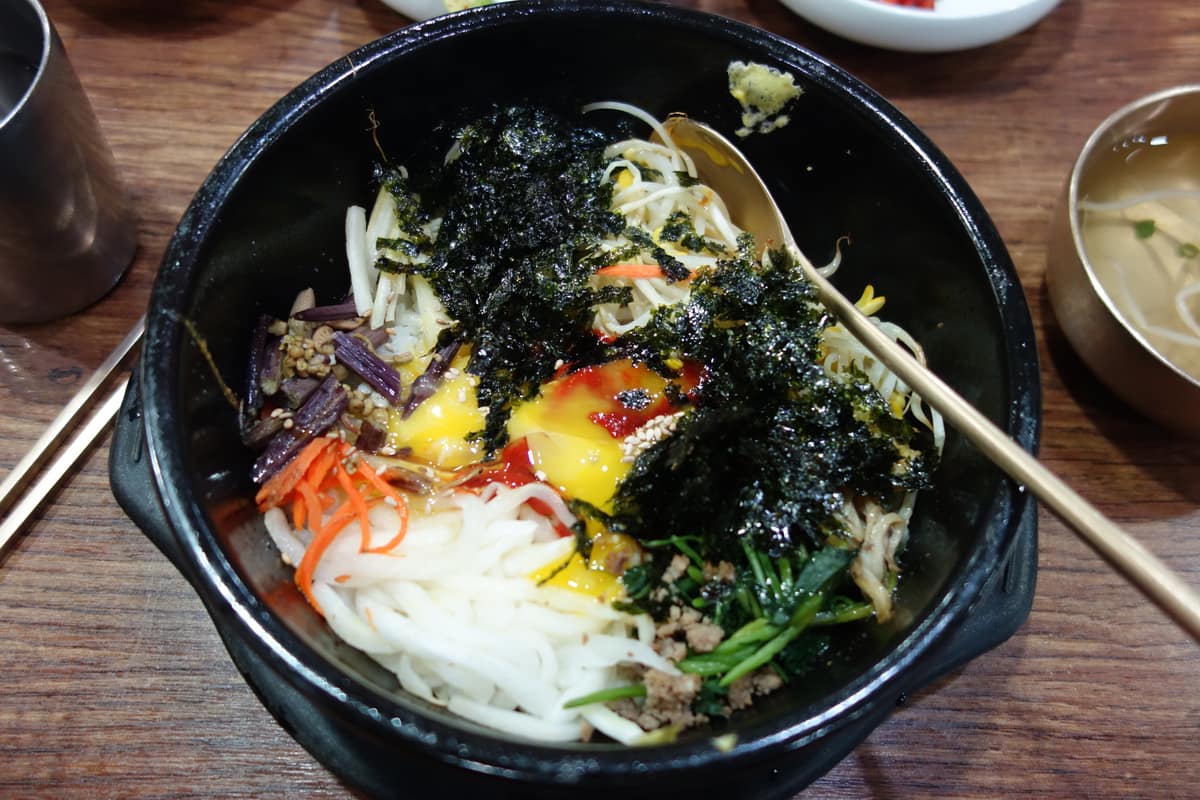
The One Rule: Actually Mix It
Bibim means "mixed," bap means "rice" — the name is an instruction, not just a label.
Why it looks too neat to touch when it arrives
The seasoned vegetables (namul), meat, and fried egg come out arranged in careful little piles around the rice — arranged well enough that photographing it before touching anything feels like the responsible move. It isn't. Mixing everything together is what the dish is for, not an optional step some diners skip.
- Add the gochujang first — a little at a time, not the whole dollop at once
- Mix, taste, then add more if you want it spicier (easier to add than to fix an over-sauced bowl)
- Use a spoon, not chopsticks, and fold rather than mash — the vegetables keep some texture that way
There's no etiquette police for under-mixing — it just means the first bites are all rice and the last bites are all sauce, which is usually the real reason someone says a bowl "didn't taste right."
The Version That Arrives Sizzling
Order it in stone instead of ceramic and you get a bonus most first-timers don't know to look for.
Dolsot bibimbap and the crispy rice at the bottom
Order bibimbap in a dolsot (hot stone bowl) instead of a regular one, and the rice keeps cooking against the bowl's superheated sides after it's already on your table. The layer touching the stone turns into nurungji — a golden, toasted crust that a lot of regulars rate as the best part of the entire dish.
Leave a thin layer of rice against the walls of the bowl alone while you mix everything else in — stirring too hard, too early, breaks up the crust before it has time to form. It's common to see people scrape the bottom of an empty dolsot just for the last crispy bits.
The bowl stays hot enough to keep cooking for several minutes after it's served — the sizzle when it lands on your table isn't just for effect. It's also hot enough to burn, so don't touch the bowl or its rim.
Same Dish, Different Hometown
Order it in a different city and the toppings can change completely.
Jeonju's claim to fame — and three other versions
Jeonju, in North Jeolla Province, is the city most associated with bibimbap — it's a UNESCO Creative City of Gastronomy, and its version typically uses finely julienned raw beef and rice cooked in soybean-sprout broth instead of plain water, finished with a spoonful of seasoned bean paste for extra depth.
- Jinju — its own long-standing version, distinct from Jeonju's
- Tongyeong — a coastal city, so oysters or clams often work their way into the mix
- Andong — commonly served alongside salted mackerel instead of raw beef
None of these is "more correct" than the others — regional versions grew out of whatever ingredients were locally abundant, which is also why a bowl in Seoul won't necessarily match any of them exactly.
⚠ Jeonju-style bibimbap typically includes raw beef, which carries a risk of foodborne illness. If you're pregnant, have a weakened immune system, or would rather avoid raw beef, check with the restaurant before you order.
Where the name might come from
There's no single confirmed moment or inventor behind bibimbap — most food historians trace it to the plain practical habit of mixing leftover side dishes into a bowl of rice, a habit that predates any specific origin story. One theory ties the name to an older term, "goldongban," built from Chinese characters meaning roughly "to mix" plus "rice," used before "bibim" became the standard Korean word for it. However it started, the dish was well established by the Joseon dynasty and hasn't left the table since.
Comments open soon.