Korea's Royal October: A Royal Procession on the 4th, Then Five Days Inside the Palaces
Two royal events land in the same October week — a full-scale reenactment of King Jeongjo's 1795 procession setting out from Gyeongbokgung on October 4, and the Royal Culture Festival opening four palaces and Jongmyo from October 7 to 11. Here's the announced schedule, what's free, and how visitors from abroad actually book a seat.
What's Happening
October 4: King Jeongjo's Procession, Restaged
Four local governments — Seoul, Gyeonggi Province, Suwon and Hwaseong — jointly restage the 1795 royal journey in sections along the route it actually took, from Gyeongbokgung in Seoul out through Anyang and Suwon to the royal tombs in Hwaseong. Every section runs on the same day, Sunday, October 4, which is also the opening day of the 63rd Suwon Hwaseong Cultural Festival (October 4–11, around Suwon's fortress).
- Date: Sunday, October 4, 2026 — the procession's official site lists that date for the Seoul, Suwon and Hwaseong sections, and Suwon Cultural Foundation gives it too
- Seoul: a 7.5 km procession sets off from Gyeongbokgung at 09:00 and runs to Nodeul Nauru Park on the Han River. Per the organizers' timetable, the head of the column reaches Seoul City Hall around 09:28 and Nodeul Nauru Park around 11:48, with the tail arriving at noon. A shorter 1.11 km Geumcheon-gu section follows at 17:00–17:30
- Gyeonggi: 12.1 km in total — Anyang 5.3 km (starting 10:00 from Seoksu Sports Park), Suwon section 1 4.5 km (leaving Nosongjidae at 13:00), and Suwon section 2 2.3 km (the Suwon Hwaseong Parade at 15:30, then the main procession to Janganmun Gate and Haenggung Plaza)
- Hwaseong: a separate 11.1 km section from 09:00 to 16:00, ending at the royal tombs
- Scale, per the organizers: about 400 participants and 20 horses in Seoul, about 2,000 and 70 in Suwon, about 1,000 and 8 in Hwaseong
- Programs include the departure rite, a porridge-offering performance for the king's mother, and a gyeokjaeng performance — the old practice of commoners stopping the royal column to put a complaint straight to the king
October 7–11: The Palaces Open Up
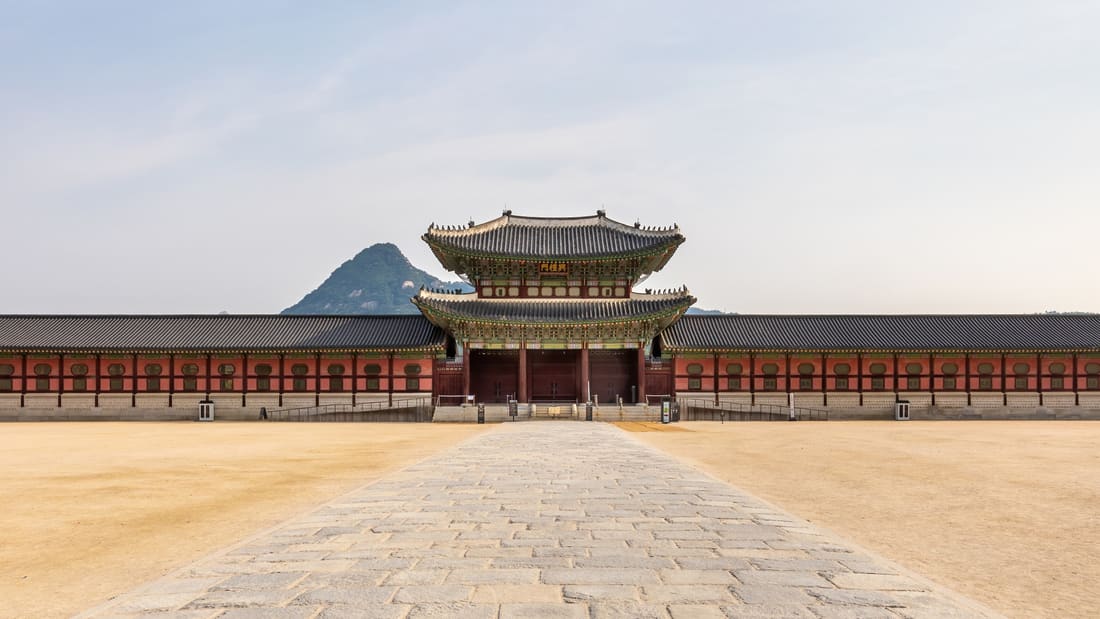
Three days after the procession, the autumn Royal Culture Festival takes over four of Seoul's palaces — Gyeongbokgung, Changdeokgung, Deoksugung, Changgyeonggung — plus Jongmyo Shrine, for five days of performances, exhibitions, hands-on programs and reenactments. A free special concert the evening before kicks it off.
- Runs October 7 (Wed) through October 11 (Sun), 2026 — five days
- Venues: Gyeongbokgung, Changdeokgung, Deoksugung and Changgyeonggung palaces, plus Jongmyo Shrine
- Eve concert: a KBS Immortal Songs special performance, October 6 (Tue) at 5pm on the Heungnyemun Gate plaza at Gyeongbokgung. It's free, but it's a lottery rather than walk-in — the audience of 2,500, with 300 seats for foreign visitors, was drawn from applications made through KBS's Immortal Songs site
- Reservation-only programs went on sale September 4 through Ticketlink, each with its own release time — international visitors book through Creatrip, the booking site the festival names for foreign visitors, instead
- Some programs are free (the Gyeongbokgung hanbok banquet, October 9–10 at 19:00, takes 800 people over the two nights, and only guests dressed in hanbok are admitted); others are ticketed — the Changdeokgung morning program is ₩10,000, the hanbok walk through Changgyeonggung and Changdeokgung ₩15,000, and the Changgyeonggung lotus-light show ₩1,000
- The Changdeokgung morning program, "Awakening the Morning Palace," offers an English-language session every day
Why This Particular Procession
Korea has no shortage of costumed reenactments. This one is different in a specific way: the script survives.
A Journey Built Around His Mother's 60th Birthday
In 1795, King Jeongjo took a column of officials, guards, musicians and horses out of Seoul for eight days — the ninth through the sixteenth day of the intercalary second lunar month. Suwon's organizers describe the trip as a celebration of his mother Lady Hyegyeong's 60th birthday; the reenactment's own organizers frame it around his visits to the tomb of his father, Prince Sado, who had died in 1762. Both threads are in the historical record, and both are in the route: the procession ends at the tombs in Hwaseong.
The Reason the Details Line Up
The 1795 journey was written down in extraordinary detail in the Wonhaeng Eulmyo Jeongni Uigwe, part of the Uigwe royal protocols UNESCO placed on its Memory of the World register in 2007. That record is what the modern reenactment is built from, which is why it can be staged as a specific historical event rather than a generic parade of people in hanbok. It's also why the modern route still runs through the same corridor — Seoul, Anyang, Suwon, Hwaseong — instead of being compressed into one convenient downtown loop.
1795
The year of the original journey — eight days, Seoul to Hwaseong and back, mounted for his mother's 60th birthday and his father's tomb.
12.1 km
The Gyeonggi-province portion of this year's parade route, split into an Anyang leg and two Suwon legs. Seoul's sections add 8.61 km and Hwaseong's another 11.1 km on top of that.
63rd
This year's edition of the Suwon Hwaseong Cultural Festival, which the procession opens. It runs October 4–11 around the fortress and Hwaseong Haenggung.
If You're Going
1Pick the Leg You Want — It's Not One Column All Day
- Each city stages its own section on October 4, so you can't follow one column from start to finish. Seoul's runs in the morning — it leaves Gyeongbokgung at 09:00 and finishes at Nodeul Nauru Park around noon. Anyang starts at 10:00, Suwon's first stretch leaves at 13:00, and the Suwon Hwaseong Parade begins at 15:30 ahead of the main procession into the fortress area. Hwaseong runs 09:00–16:00. Suwon has the largest cast, at about 2,000 participants and 70 horses; Seoul's is smaller, at about 400 and 20 horses, but it sets off from a palace gate in the middle of the city.
2In Suwon, the Roads Shut — Plan to Walk
- Suwon City announced the closures in early September, and they're long. From Nosongjidae to the SK Solbat gas station the road is fully closed 09:00–13:30, with the rest of the way to Suwon Sports Complex closing in sequence as the column moves. From the Sports Complex to Janganmun Gate it's closed 13:30–18:30, and from Janganmun to Haenggung Plaza 14:00–20:00 — the same hours apply to the stretch from Paldalmun Gate through Haenggung Plaza to the Paldal-gu Office junction. In Anyang, the LS-ro area is closed 09:00–13:00, with the road from Seoksu Sports Park to Anyang Station restricted from 10:00 and Anyang Station to LS-ro from 11:00. If your hotel is inside the fortress area that day, assume taxis can't reach it and give yourself walking time; Suwon says it will post updates on its website, social media and road signs.
3Palace Programs Are Booked, Not Walked Into
- Reservations opened September 4 and were released program by program through Ticketlink, Korea's ticketing site, with release times running from noon to 4pm that day (the Changgyeonggung lotus-light show followed on September 11); visitors from abroad book the programs meant for them through Creatrip instead. Popular sessions go fast — as of September 28, the 07:30 Changdeokgung morning-program session showed as sold out on Ticketlink for all five days, and the hanbok banquet was down to a couple of seats — so check availability before you plan around a specific program. Some programs need no advance booking at all, such as the exhibitions and the stamp tour, but the October 6 eve concert works by lottery: it was free, with 300 of its 2,500 seats reserved for foreign visitors, and applications ran through KBS's Immortal Songs site — check there for whether any window is still open.
4The Morning Palace Program Has a Daily English Session
- Changdeokgung's early-morning program, "Awakening the Morning Palace," runs twice each morning of the festival, at 07:30 and 08:00, and the festival says it offers an English-language session every day. Creatrip, the booking site for visitors from abroad, lists the English-language tour at 08:00–10:00 — foreigner-only tickets, 40 guests per session, one session a day, about US$7 — so look there first, since the 07:30 sessions on Ticketlink were sold out when checked on September 28. It's the clearest English-language entry point in the lineup, and being inside a palace before the day's crowds is a completely different experience from the same courtyard at noon.
Mark Your Calendar
These two events aren't organized by the same people and they don't advertise together — one is a city festival in Suwon, the other a national heritage program in Seoul — but they land three days apart in the same week, in two cities a short train ride apart. If you're in Korea in early October, that's an unusually easy pairing: a full royal column moving through real streets on the Sunday, then five days of palaces running programs after dark and before breakfast. The Royal Culture Festival also runs a spring edition each year, so a missed autumn isn't the last chance — but the procession is a once-a-year, one-day event. If you're reading this after October 4, the 2026 procession has passed — watch the organizers' site for next year's date — and the palace festival, running through October 11, is the part still ahead of you.
⚠ Times, road-closure hours, prices and booking status above are as published by the organizers and the ticketing sites and checked on September 28, 2026. They can change, and popular sessions sell out, so confirm on the official sites before you plan around a specific program. Big crowds are expected along the procession route, so follow the staff's directions on the day.
Comments open soon.